

Finland and Sweden joining NATO became an important political topic after Russia invaded Ukraine. For many years, both Nordic countries avoided full membership in the military alliance, but the war changed public debate across Europe. The possible expansion of NATO also created discussion inside the Republican Party in the United States because some conservatives became more skeptical toward the alliance during recent years.
Finland and Sweden Reconsider NATO Membership
Finland and Sweden traditionally stayed outside NATO even while cooperating closely with Western countries. After the Russian invasion of Ukraine, political leaders in both nations started reviewing old security policies. Finland especially gained attention because joining NATO would add more than 800 miles of direct border between NATO territory and Russia.
Sweden also began changing its position. The Swedish Social Democratic Party, which historically opposed NATO membership, announced that it was reevaluating its long standing policy. This statement became one of the strongest signals that both countries could move closer toward official membership.
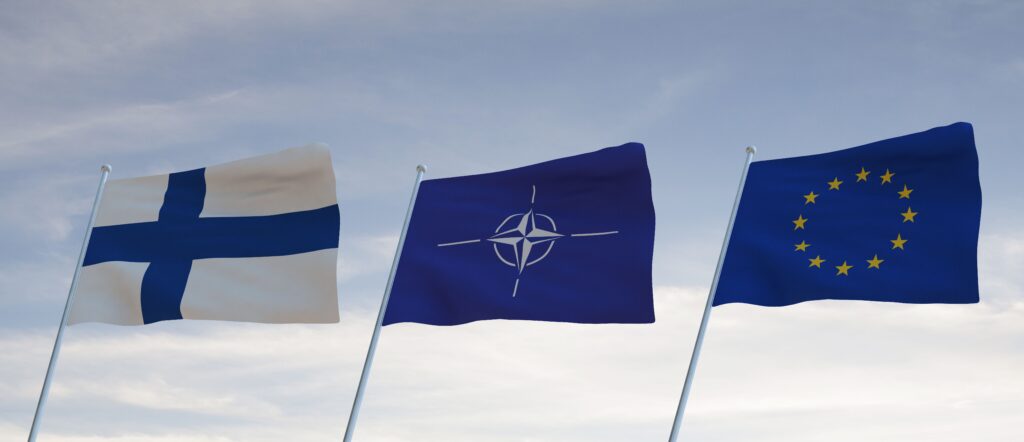
Several factors influenced the debate:
- Russia’s invasion increased security concerns in Northern Europe
- Finland shares a long border with Russia
- NATO expansion requires approval from current member countries
- United States Senate support would be necessary
- Republican opinions about NATO became more divided in recent years
Trump Era Republicans and NATO Skepticism
Inside American politics, discussion about NATO changed during Donald Trump’s presidency. Trump repeatedly criticized alliance members for not spending enough money on defense. Reports also suggested that he privately discussed the possibility of the United States leaving NATO during his administration.
Some Republican lawmakers supported Trump’s critical position toward the alliance, while others defended NATO strongly. Debate around Finnish and Swedish membership therefore raised questions about how Republicans would respond during future Senate votes.
Historical NATO Expansion Debates
NATO already expanded several times after the Cold War ended. In 1999, Poland, Hungary, and the Czech Republic joined the alliance. Another expansion followed in 2004 when several former communist states entered NATO. Although many lawmakers supported these decisions, some senators worried that Russia would see enlargement as a provocation.
During debates in the late 1990s, Senator John Warner warned that NATO could appear like an “iron ring” around Russia. Similar arguments later returned during discussion connected with Finland and Sweden. Critics believed rapid expansion might increase tensions between Moscow and Western countries.